Congratulations. Your SaaS MVP has paying customers. Now the dangerous phase begins: transitioning from a "scrappy MVP" built for speed to a "production-grade system" built for reliability, security, and trust. Many founders underestimate the engineering investment required for this transition. Use this checklist as your guide.
1. Security Hardening
- HTTPS Everywhere: Ensure all traffic is served over HTTPS, including your staging environment. Use Let's Encrypt (free) via Laravel Forge or Certbot. Redirect all HTTP traffic to HTTPS with a permanent 301.
- Security Headers: Use Laravel's middleware or Helmet.js (Node) to set security headers:
Content-Security-Policy,X-Frame-Options: DENY,X-Content-Type-Options: nosniff, andStrict-Transport-Security. - Rate Limiting: Implement rate limiting on all API routes, especially authentication endpoints, to prevent brute-force and credential stuffing attacks. In Laravel, use the built-in
throttlemiddleware. In Node.js, useexpress-rate-limit. - Dependency Auditing: Run
npm audit(Node) orcomposer audit(Laravel) and patch all known high-severity vulnerabilities in your dependencies before going to production.
2. Performance Optimization
- Full-Page Caching: Use Redis to cache the responses of expensive, read-heavy API endpoints. A dashboard summary endpoint that runs 20 database queries can be cached for 60 seconds, serving 99% of requests instantly from memory.
- Database Connection Pooling: Configure a database connection pooler like PgBouncer (for PostgreSQL) to prevent the database from being overwhelmed by too many simultaneous connections from multiple application server instances.
- CDN for Static Assets: Put all frontend JavaScript bundles, images, and CSS behind a CDN (Cloudflare is free). This drastically reduces the load on your origin server and speeds up the app for users globally.
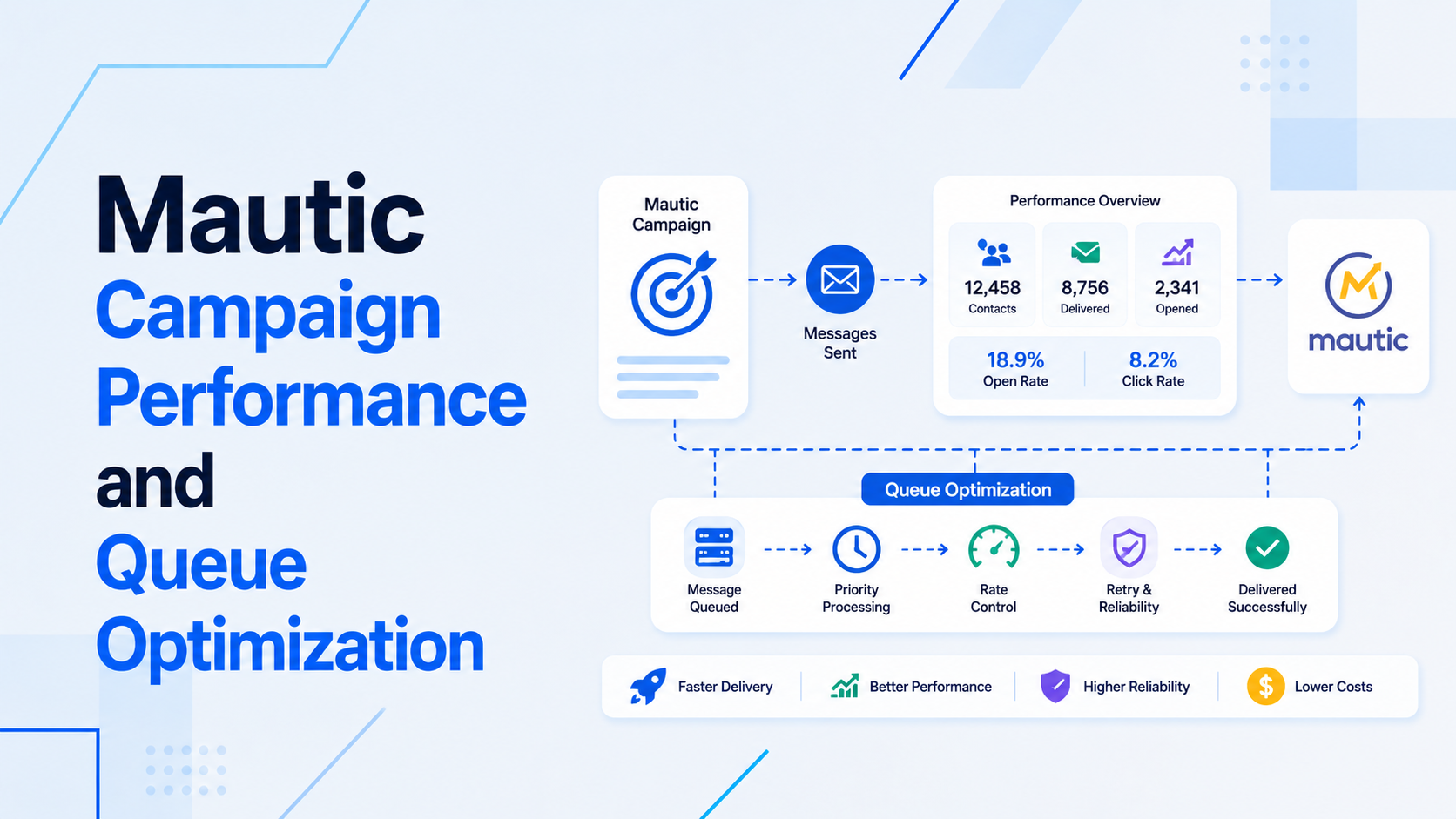
- Queue Monitoring: Ensure Laravel Horizon or BullMQ is monitored with alerts configured. If the queue depth exceeds 1,000 jobs, you need to know immediately and scale up your worker processes.
3. Observability and Monitoring
- Error Tracking: Ensure Sentry (or Bugsnag) is active in production. Configure it to send an alert to your Slack channel for every new, unseen error.
- Uptime Monitoring: Use a service like Better Uptime or UptimeRobot to ping your critical endpoints every minute. If the site goes down, get an SMS within 2 minutes.
- Infrastructure Metrics: Monitor CPU, RAM, and disk usage on your server with a service like Datadog or Grafana + Prometheus. Set alerts at 80% thresholds so you can scale before a resource hits 100%.
- Slow Query Logging: Enable slow query logging on your MySQL or PostgreSQL instance. Any query taking over 500ms must be investigated and either indexed or cached.
4. Legal and Compliance Baseline
- Privacy Policy and Terms of Service: You must have these before processing any user data, especially for EU users (GDPR compliance).
- Cookie Consent: If your app sets any tracking cookies, implement a compliant cookie consent banner.
- Data Backup Strategy: Configure automated daily database backups to an offsite S3 bucket. Test the restoration process at least once. "Backup" means nothing if you cannot restore.
5. The Runbook (Operational Documentation)
Document the following in a shared team wiki before you go to production:
- How to deploy a new release.
- How to roll back a bad deployment.
- Who to call for what type of emergency.
- How to restore the database from a backup.
Moving from MVP to production is not just about writing more features; it is a strategic investment in the foundation of your business. If you need a technical partner to manage this transition and take ownership of your production infrastructure, visit my hire full-stack developer India page to discuss a dedicated engagement.

Prakash Tank
Full-Stack Architect & Tech Enthusiast. Passionate about building scalable applications and sharing knowledge with the community.