23
Jul
Node.js Backend Architecture: APIs, Queues, Redis, and Databases
How to architect a production Node.js backend with scalable API layers, background job queues using...
Build production-grade Node.js backends: Express.js REST APIs, WebSocket real-time features, Bull/BullMQ job queues, Redis caching, MongoDB/PostgreSQL integration, and Docker-deployed cloud services.
Hire a Node.js Backend Developer and Real-Time Application Developer. I build Node.js backend services for APIs, real-time applications, WebSocket systems, async queue architecture, Redis caching, and cloud-deployed SaaS products.
I bring practical experience to building reliable service architectures, user-facing interfaces, and production infrastructure for businesses seeking strong engineering ownership.
Technologies I use to build modern full-stack web applications.
End-to-end full-stack execution for web applications, APIs, cloud infrastructure, and product launches.
Design modular, maintainable Express.js REST APIs with clean routing, middleware separation, and strict request validation.
Build live dashboards, real-time notifications, collaborative features, and event-driven UI updates using Socket.io and WebSocket.
Offload heavy background tasks into resilient Bull/BullMQ Redis-backed queues with retries, backoff, and dead-letter handling.
Implement Redis for fast data caching, session management, rate limiting, and event-driven Pub/Sub communication between services.
Connect Node.js services to MySQL, PostgreSQL, MongoDB, and Elasticsearch with well-structured query layers and migration workflows.
Architect Node.js applications for the right scale: modular monolith for early-stage SaaS, microservices when team and traffic demand it.
Protect Node.js APIs with JWT/OAuth2 authentication, role-based authorization middleware, input sanitization, and OWASP-compliant patterns.
Deploy Node.js applications with Docker, GitHub Actions, and PM2/Supervisor on AWS or Google Cloud with zero-downtime workflows.
Selected work connected to full-stack application development.
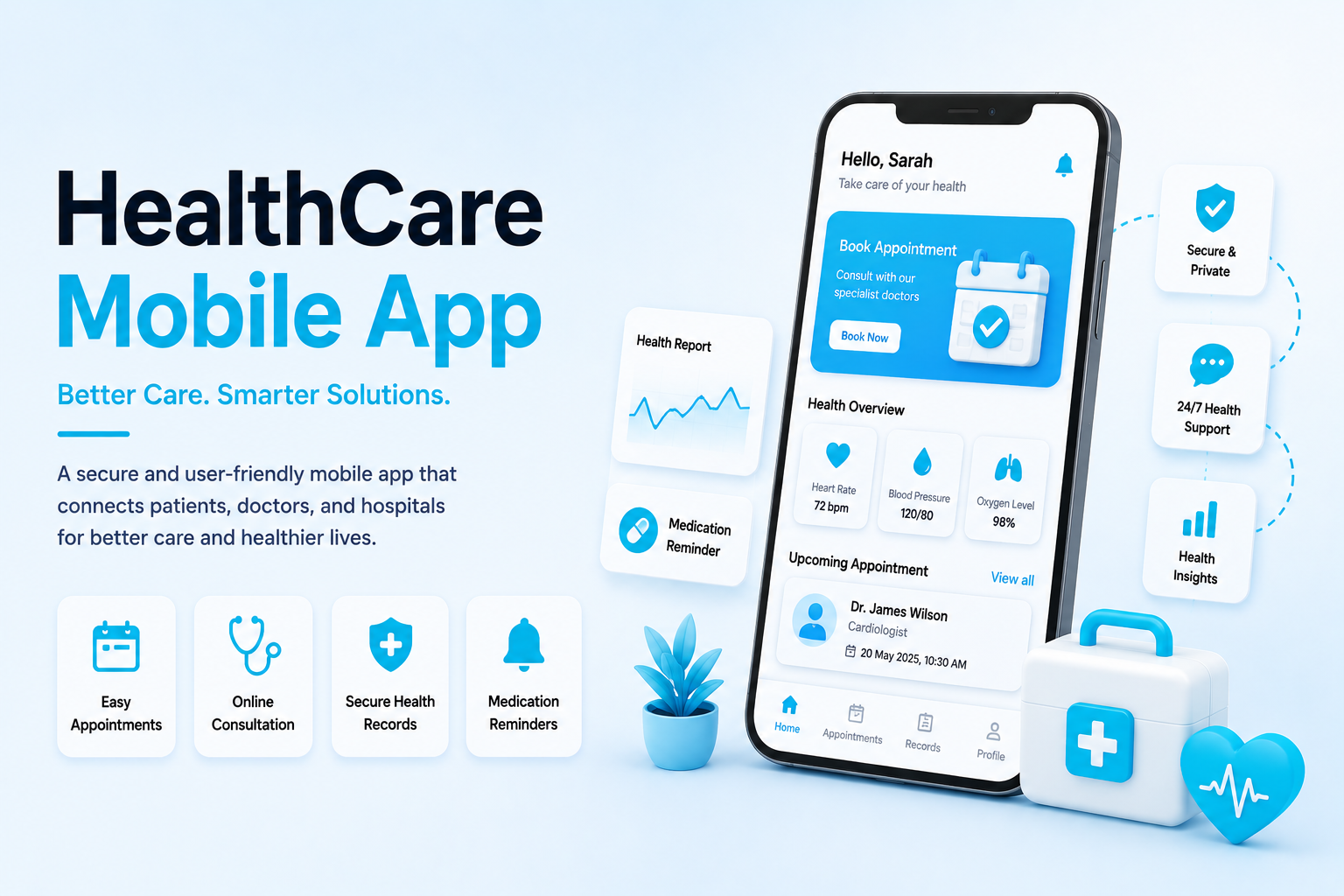
A telemedicine platform connecting patients with doctors through appointment, chat, and record workf...
View Case Study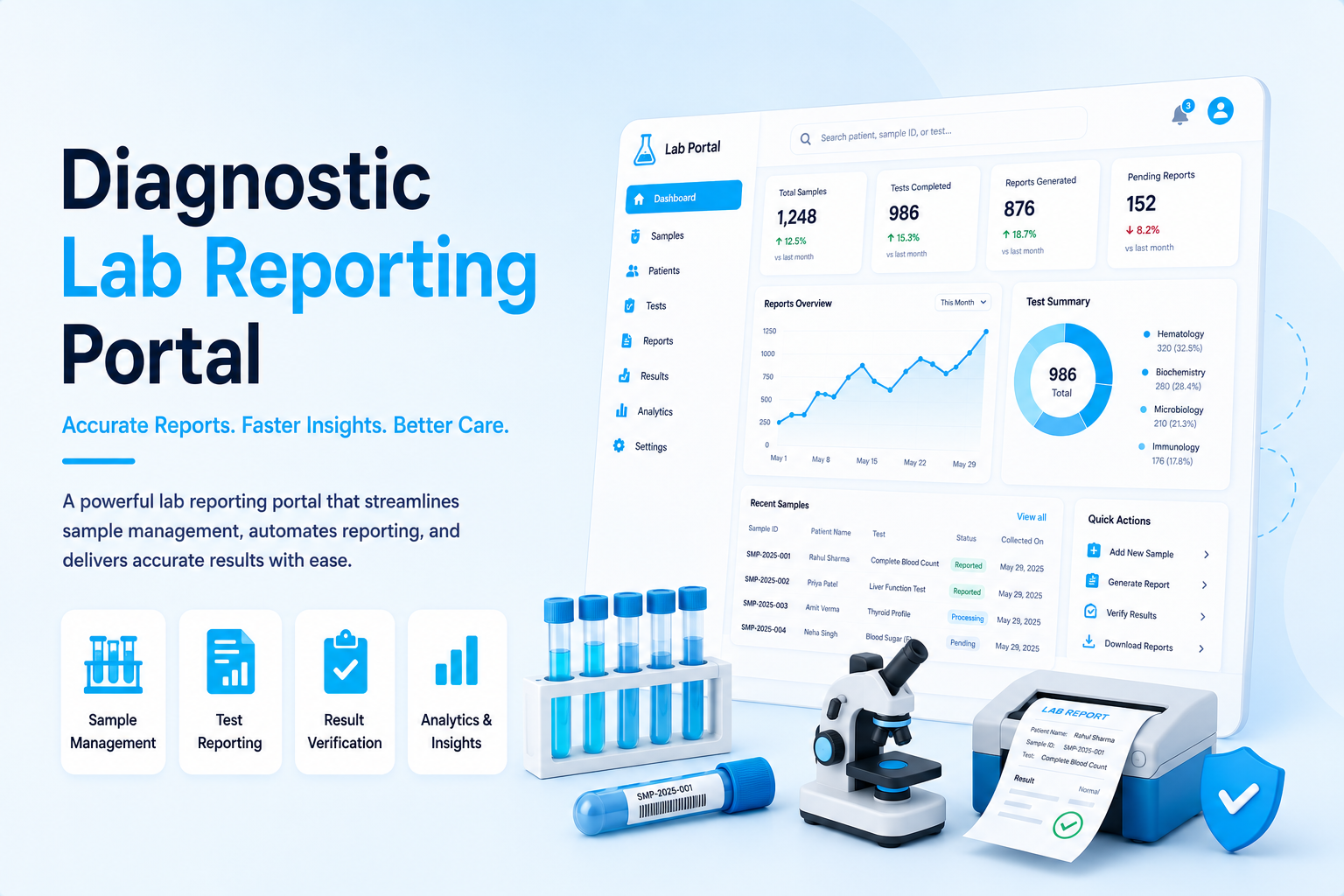
A diagnostic workflow platform for sample tracking, lab reports, doctor access, and patient notifica...
View Case Study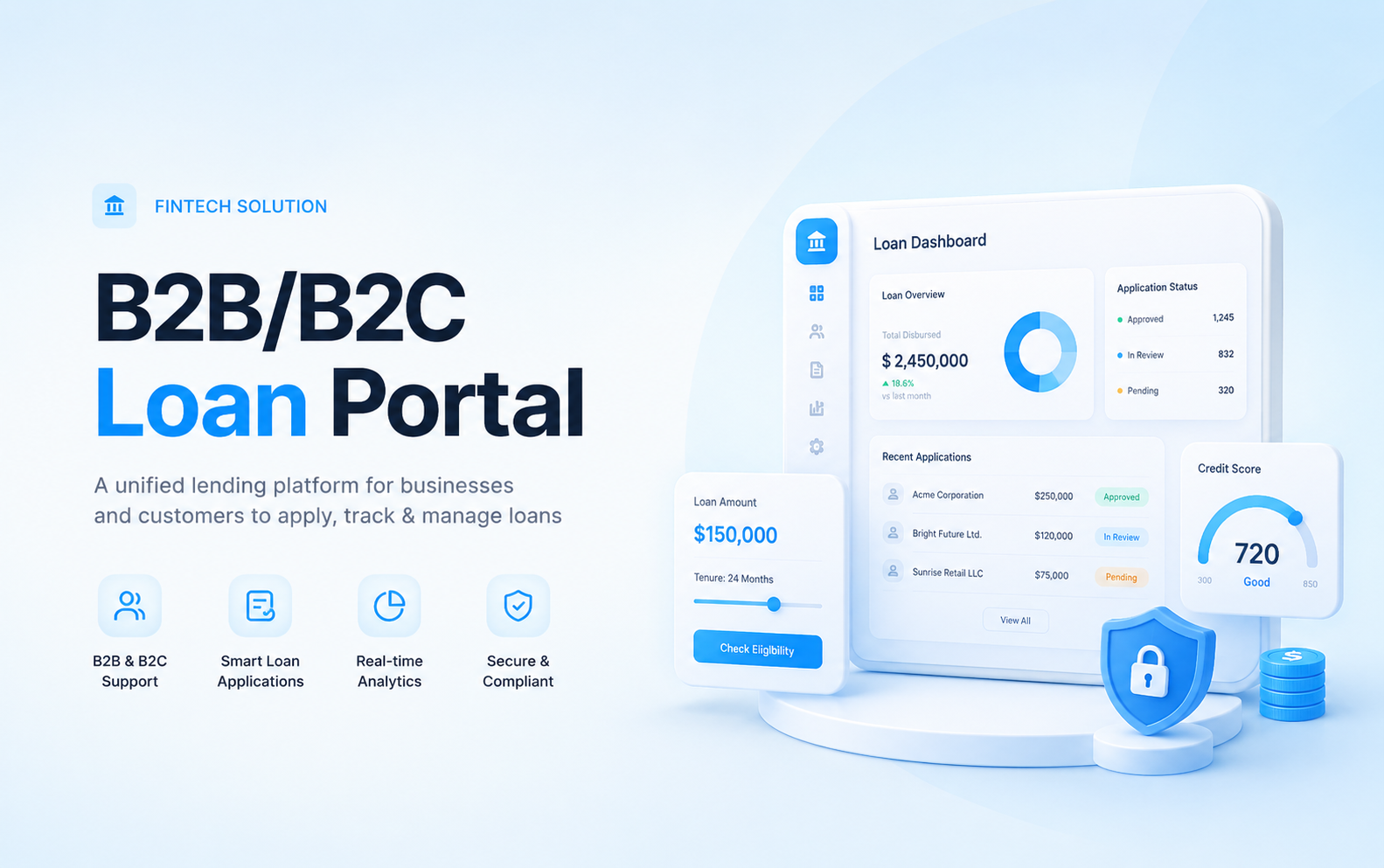
A loan origination and partner portal supporting agents, applicants, KYC, approvals, and audit histo...
View Case StudyCommon questions about full-stack development, APIs, cloud deployment, and project delivery.