08
Nov
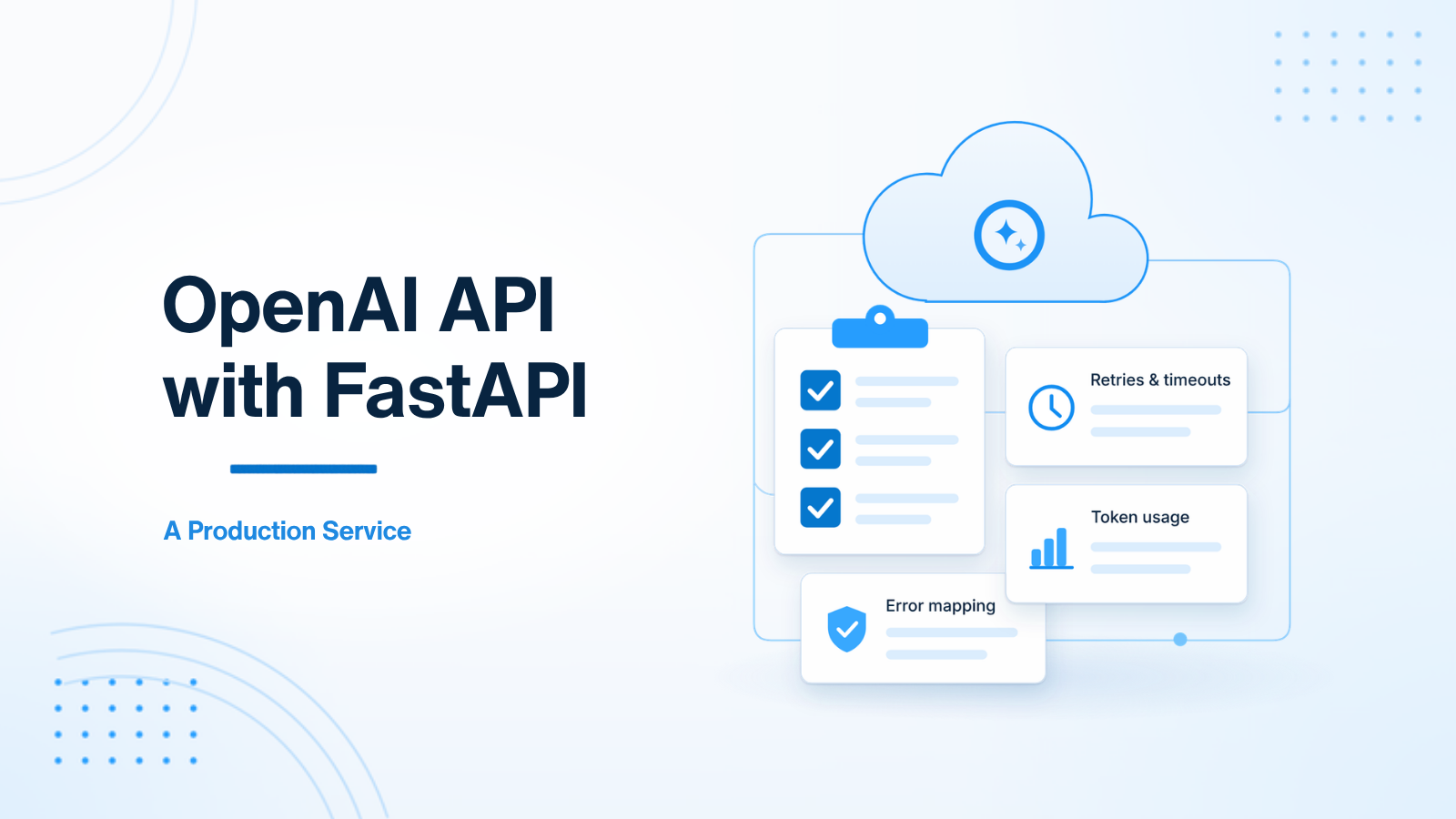
Building an OpenAI API Service with FastAPI
A practical guide to building an enterprise-grade OpenAI API microservice in FastAPI featuring rate limiting, fallback routing, and token cost logging.
Build agents that can search, look up data, draft actions, and wait for approval when risk is high. Automation without losing operational control.
An agent is useful when a single prompt cannot finish the job: look something up, draft an action, wait for a human, then continue. It is dangerous when it can spend money or change customer data without brakes.
I build AI agent workflows with explicit tools, limited scopes, human approval gates, and logging. LangGraph-style state helps when the flow needs branches and retries.
Based in Ahmedabad, I wire agents into Laravel, Node, React, and FastAPI systems so automation lands inside real product operations.
If you need a conversational front door first, see AI Chatbot Development. If knowledge grounding is the bottleneck, see RAG Development. If the work is an embed with tool-using agents in your repo, continue to AI-first Forward Deployed Engineer and the FDE17 article on agents in that loop.
What I use to ship this kind of AI work.
What you get when we build this AI workflow for your product.
Connect agents to search, database lookups, tickets, or email drafts with explicit tool contracts.
Risky actions pause for review. Agents propose; people decide when money, customers, or compliance are involved.
Stateful multi-step flows with retries, branches, and clear stopping points instead of endless free chat.
If a form, rule, or single prompt is enough, we say so. Agents add power and complexity; they are not default.
Log tool calls, outcomes, and approvals so ops can debug and auditors can follow the path.
Wire agents into Laravel, Node, or FastAPI services with queues, auth, and UI surfaces your team already uses.
Project, MVP sprint, or dedicated hire depending on roadmap urgency.
Tool-using agents belong in last-mile product work only with scoped tools, state, and approval gates. Read the embed loop on AI-first Forward Deployed Engineer, then the production write-up AI Agents in Forward Deployed Engineering.
Guides connected to production AI delivery.
A practical guide to building an enterprise-grade OpenAI API microservice in FastAPI featuring rate limiting, fallback routing, and token cost logging.
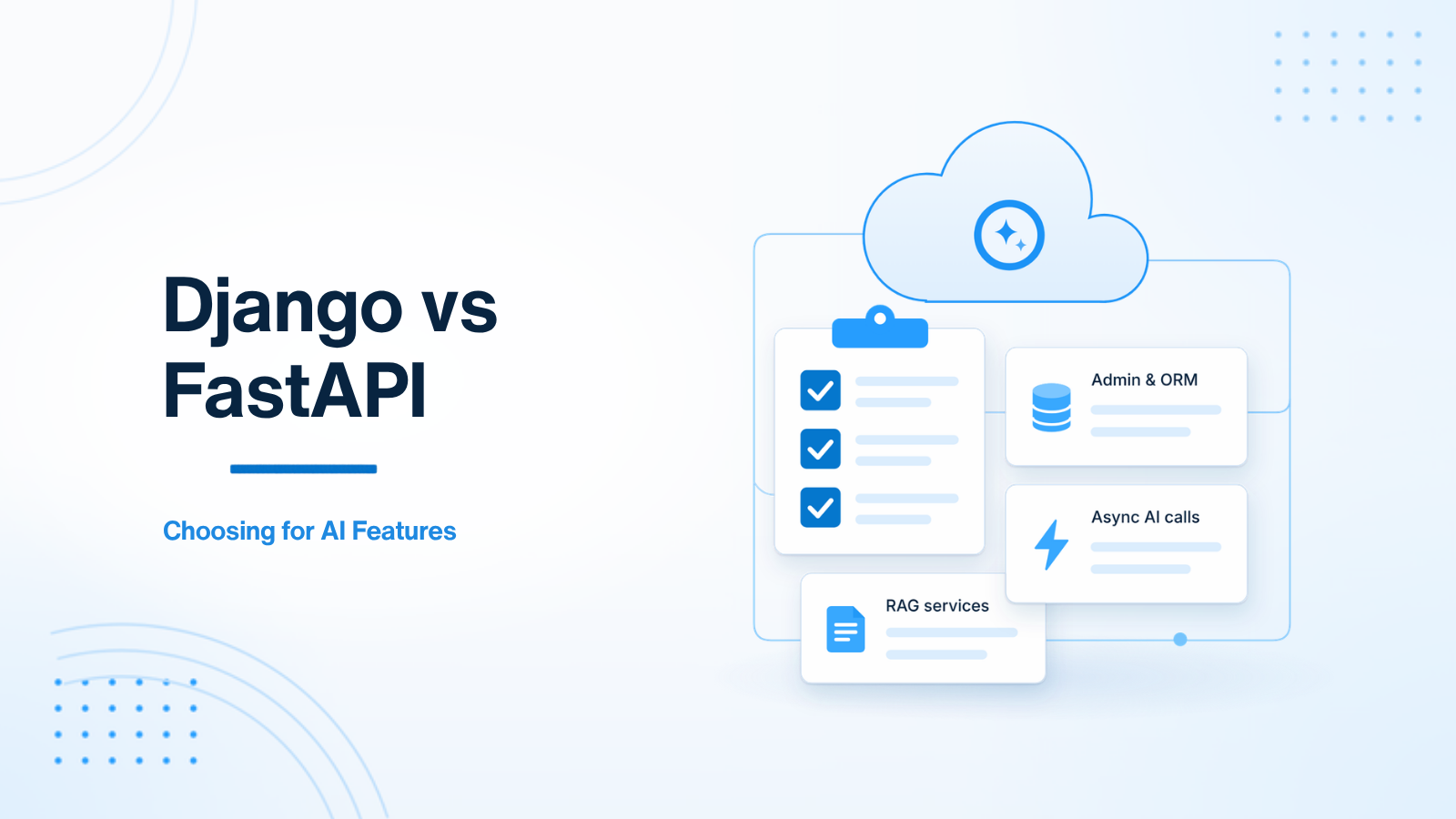
An honest comparison of Django and FastAPI when adding AI features: RAG, LLM APIs, admin workflows, and hybrid product architecture.
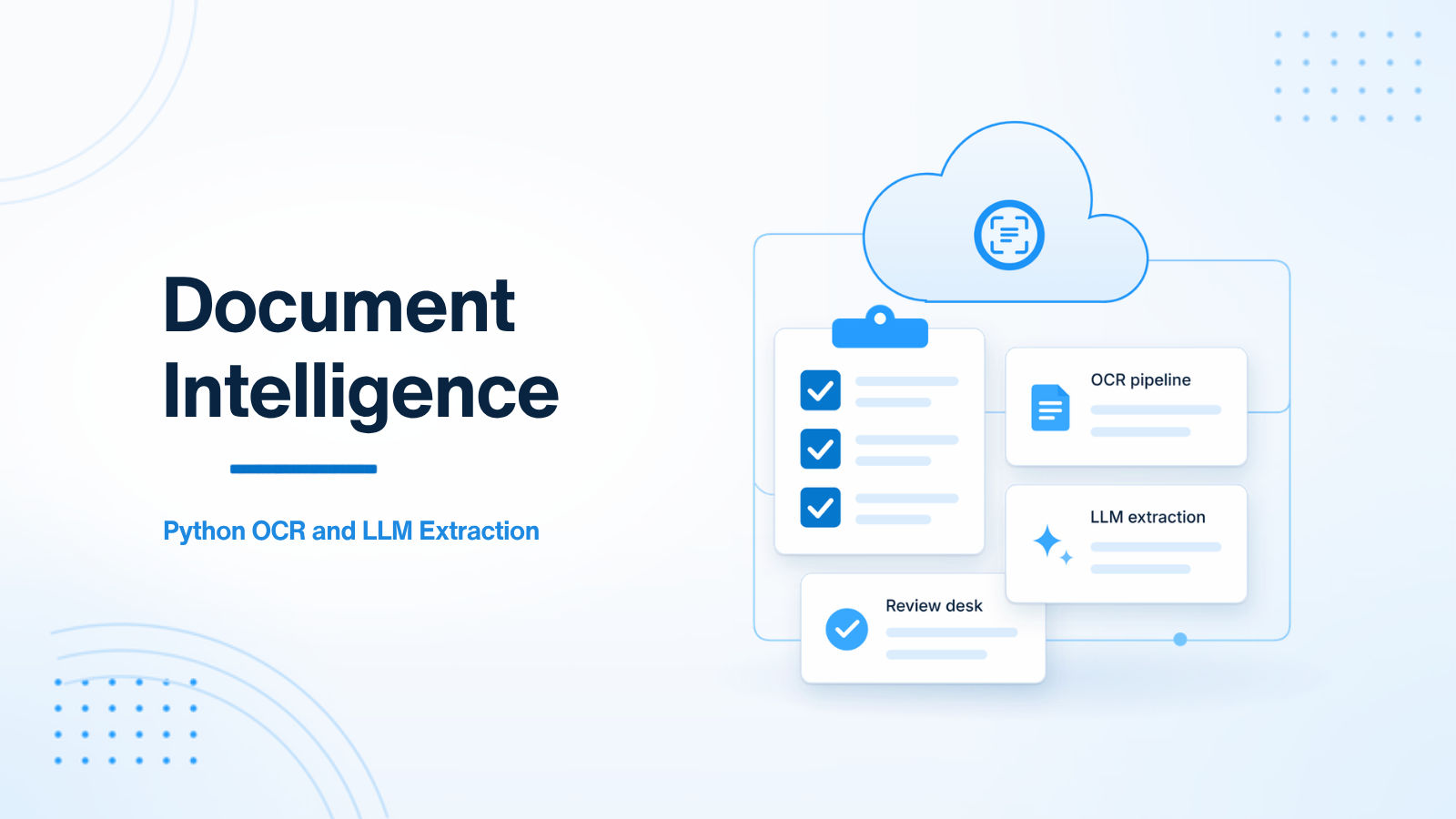
A practical architecture for document intelligence in Python: OCR, field extraction with LLMs, confidence scores, and human review queues.
Common questions about scope, architecture, and how to start.