A Laravel AI developer is not a prompt hobbyist. The job is to put OpenAI or Claude into a live Laravel SaaS with auth, tenancy, queues, review paths, and cost control. This guide covers the patterns that usually work.
1. Keep domain logic in Laravel
Billing, roles, multi-tenant scopes, and business rules should stay in Laravel. Treat LLM calls as a service layer or job, not as scattered controller strings. That keeps the product testable when prompts change.
2. OpenAI wiring that survives traffic
- Store keys in env/secret stores, never in the repo.
- Use queues for long work; stream only when the UX needs it.
- Validate structured JSON before saving.
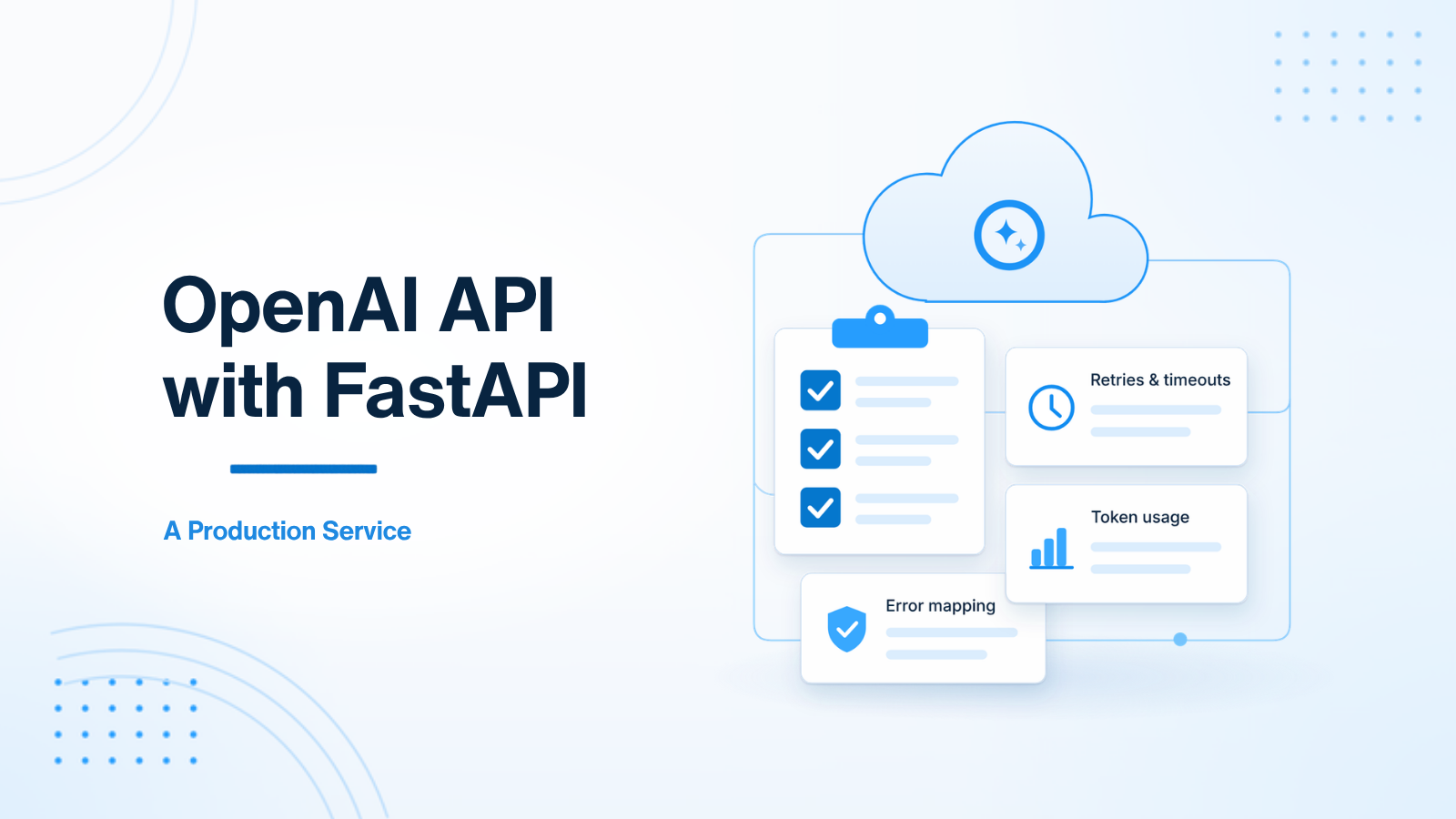
- Log token usage per tenant and feature.
- Add retries and clear user messaging on provider outages.
3. RAG inside a Laravel product
Most Laravel AI features need grounded answers. Ingest documents through jobs, chunk them, embed, store vectors in pgvector or a managed store, retrieve with tenant filters, then generate with citations. Teach the model to say when context is missing.
4. Safe rollout checklist
- Feature flag the AI surface.
- Shadow mode: generate drafts without publishing.
- Human review for customer-facing outputs.
- Golden question set for regressions.
- Budget alerts before launch.
5. When to add FastAPI
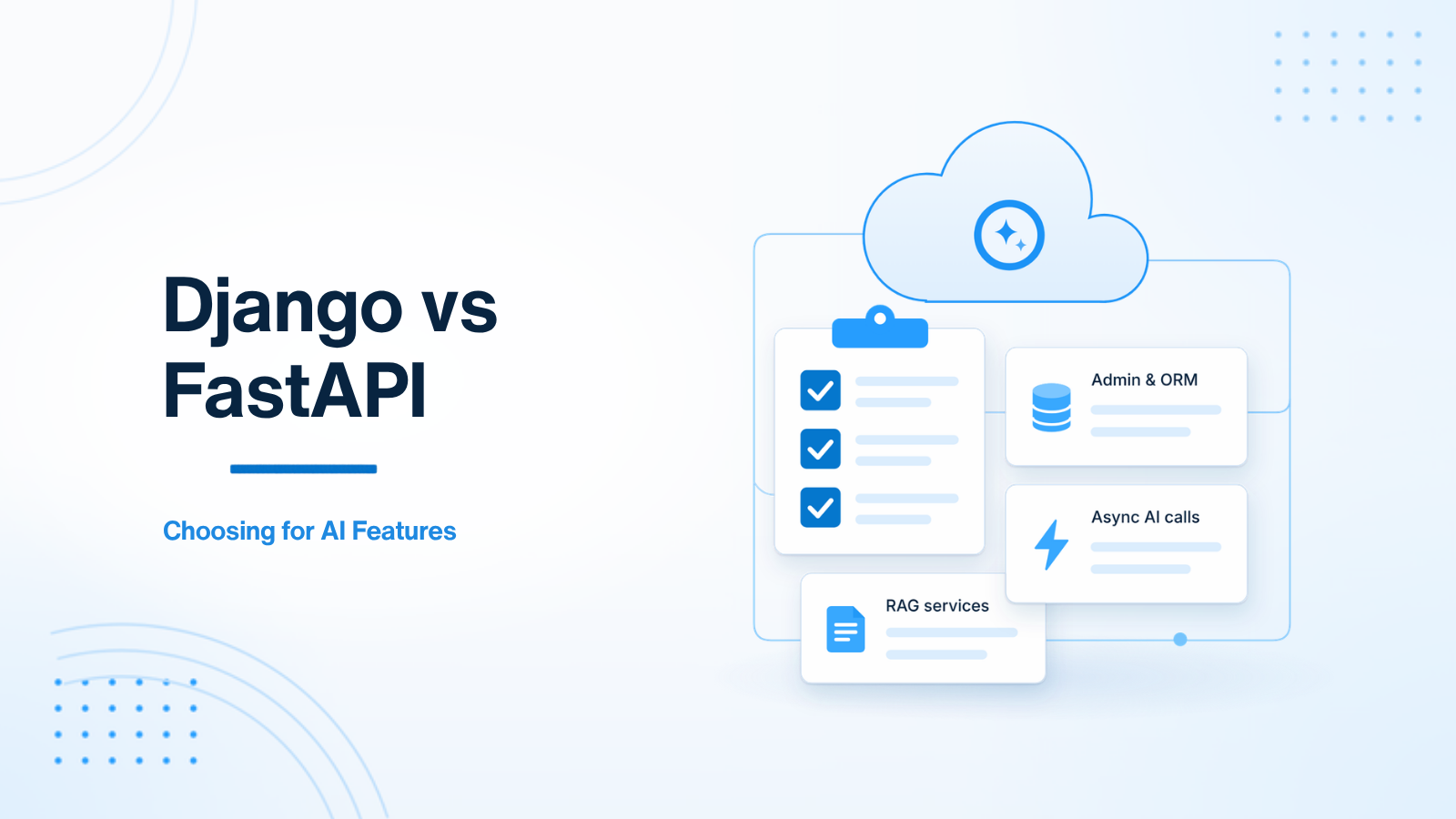
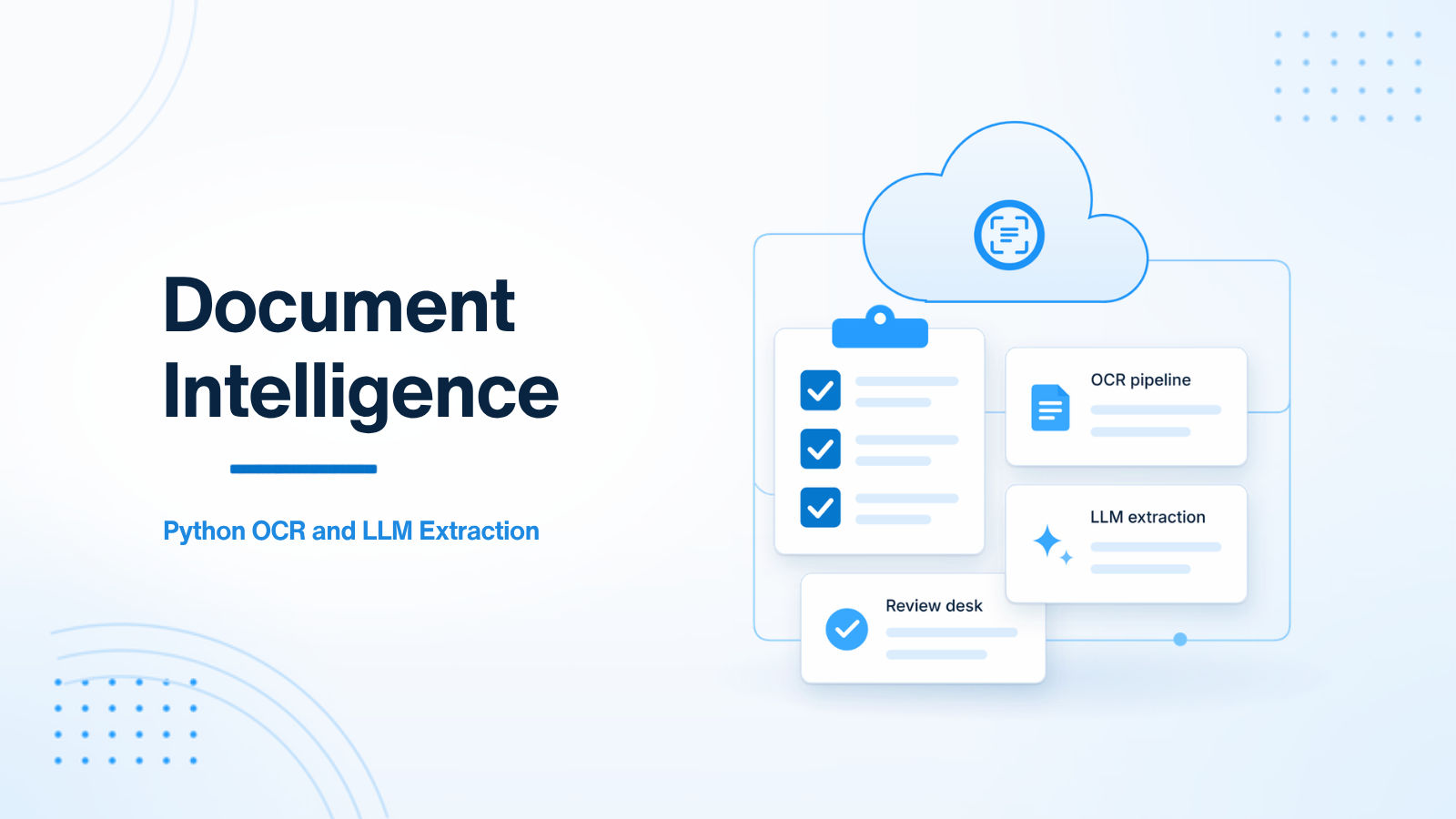
Stay in Laravel when the work is API orchestration. Add a FastAPI sidecar when Python tooling for embeddings, OCR, or heavy workers is clearly better. Auth boundaries and handoff contracts matter more than forcing one language.
Summary
Laravel AI development succeeds when OpenAI/RAG features behave like product infrastructure: queued, scoped, reviewed, and metered.
Related: AI Integration Services, RAG Development, Laravel Development, Hire AI Developer.

Prakash Tank
Full-Stack Architect & Tech Enthusiast. Passionate about building scalable applications and sharing knowledge with the community.